
Automation is reshaping how businesses operate in 2026. AI-powered tools, intelligent workflows, and real-time dashboards are becoming standard features in modern ERP systems.
But this shift is not about replacing human decision-making. It is about enhancing it.
Today’s ERP platforms are designed to reduce manual work, improve visibility, and surface insights faster than ever. When used strategically, automation gives leadership better information, more consistency, and greater confidence in their decisions.
Modern cloud ERP systems automate tasks that once consumed valuable time:
These capabilities improve efficiency and consistency across departments. They free teams from repetitive administrative work and allow them to focus on higher-value responsibilities.
Automation is not a substitute for strategy. It is a powerful operational advantage when aligned with clear business goals.
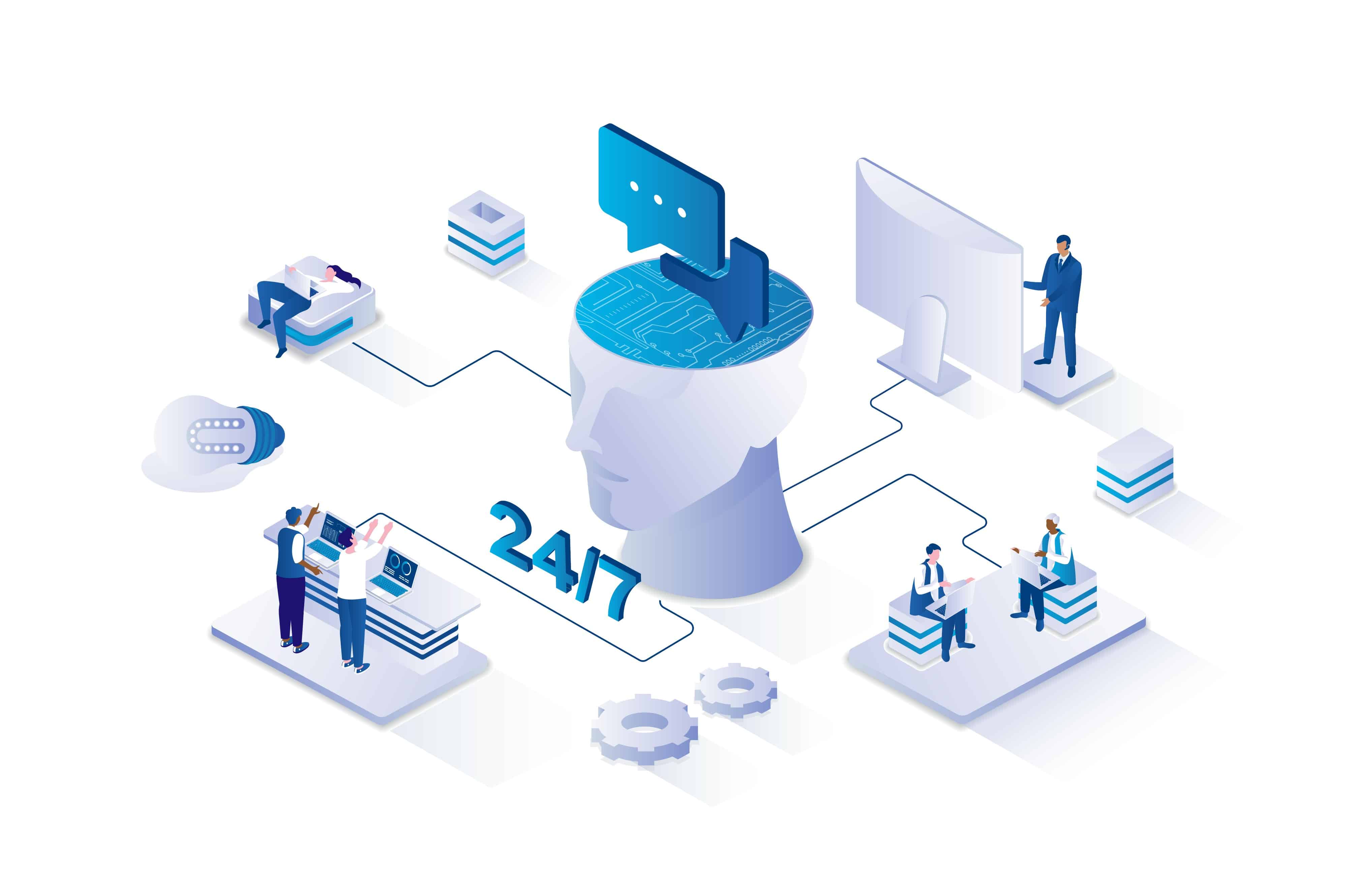
ERP systems can identify trends, highlight variances, and generate forecasts. They can notify teams when inventory dips below target levels or when receivables extend beyond terms.
What they cannot do is determine long-term priorities or assess nuanced risk.
For example:
A supplier increases pricing.
A major customer changes buying patterns.
A new product line exceeds expectations.
An ERP system provides the data and projections. Leadership determines the response.
The combination of intelligent automation and experienced decision-makers creates stronger outcomes than either could alone.
Many organizations struggle not because they lack data, but because they lack unified visibility.
Modern platforms like Acumatica centralize financial, operational, and project data in real time. Role-based dashboards ensure that executives, finance leaders, and operations managers see what matters most to them.
Instead of spending time validating reports, leadership teams can focus on:
Automation handles the mechanics. Leaders focus on direction.
Automation also enhances accountability.
Defined approval chains create clarity.
Audit trails document activity.
Permissions safeguard sensitive data.
Exception alerts surface issues early.
Rather than reducing oversight, modern ERP strengthens governance while maintaining operational flexibility.
For CFOs and operational leaders, this balance supports both efficiency and control.
Successful ERP automation begins with well-defined processes.
Technology performs best when workflows are clear, responsibilities are documented, and performance metrics are aligned across departments.
Before expanding automation, organizations benefit from evaluating:
Automation amplifies what is already working and helps standardize areas that need refinement.
AI and automation are now common features across ERP platforms. What differentiates businesses is how they apply these tools.
Two companies may operate on the same system. One uses automation to simplify daily operations. The other uses it to improve forecasting accuracy, optimize working capital, and support long-term growth planning.
The technology enables progress. Leadership drives it.
In 2026, digital transformation is less about adopting new tools and more about integrating them effectively.
Automation should reduce administrative burden.
Dashboards should increase clarity.
Integrated data should support collaboration.
At the same time, organizations should prioritize:
When technology and leadership work together, businesses gain both efficiency and strategic agility.
ERP automation is not about replacing human judgment. It is about strengthening it.
With the right system in place, organizations can operate more efficiently, make more informed decisions, and position themselves for sustainable growth in an increasingly data-driven economy.
Contact ACC Software Solutions | Explore Our ERP Services
Solutions by Industry
What's New
Building Your ERP Roadmap for the Rest of 2026
Read MoreSubmitted by Stephanie Dean on Fri, 03/13/26 - 11:35
ERP Automation in 2026: Supporting Better Business Decisions
Read MoreSubmitted by Stephanie Dean on Thu, 03/05/26 - 10:17
Preparing Your Business for ERP Modernization
Read MoreSubmitted by Stephanie Dean on Mon, 03/02/26 - 11:47